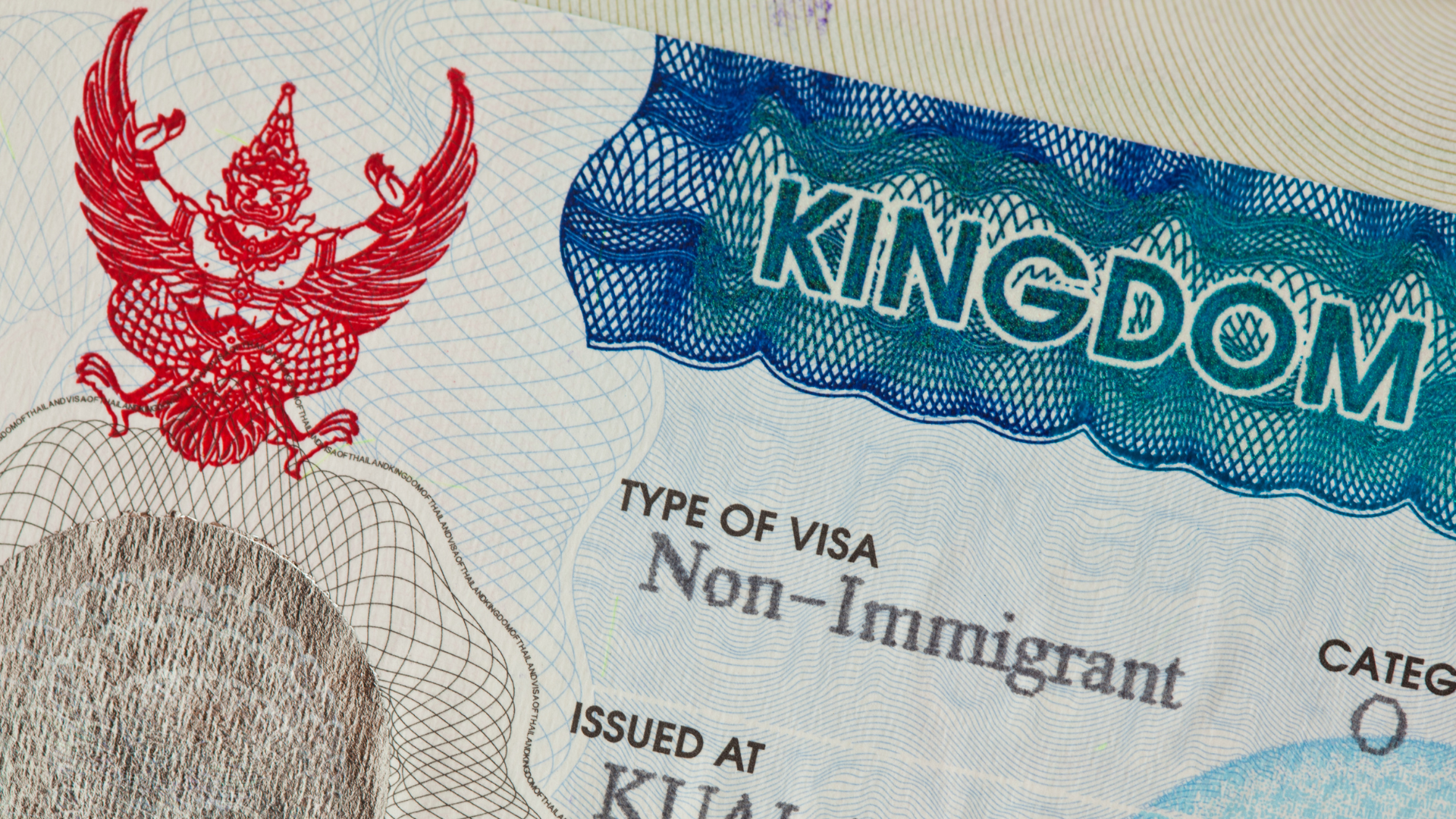


Investing in property in Thailand offers immense potential but requires careful navigation of several key factors. From understanding legal restrictions to budgeting for hidden costs and choosing the right location. Here are 4 must know tips for investing in Thai real estate.
1. Understanding Thai Property Laws

Restrictions on Foreign Ownership
When considering buying Thai Real Estate Thailand, it is crucial to understand the restrictions on foreign ownership. Foreigners cannot own land outright in Thailand, but can legally own buildings on land and can own ‘leasehold’ interests as discussed below. Typically, foreigners can purchase condominiums, provided that foreign ownership in any condominium building does not exceed 49% of the total area.
Leasehold vs. Freehold
Foreign buyers often encounter the terms “leasehold” and “freehold.” Leasehold means leasing the land or property for a period, commonly up to 30 years, with options to renew. Freehold, on the other hand, means owning the property outright. It is essential to understand these terms and their implications thoroughly before proceeding with a purchase.
2. Budgeting for Hidden Costs

Taxes and Fees
Thailand imposes various taxes and fees on property transactions. These include transfer fees, stamp duty, and withholding tax. These costs can add up significantly, so it is important to budget for them accordingly.
Maintenance and Utilities
Ongoing costs such as maintenance fees for condominiums, property management fees, and utility bills must also be considered. These expenses can vary greatly depending on the property and location, making it wise to get an estimate before committing.
Nebu Resort Residences, under the license agreement with Wyndham Hotels & Resorts, the developer ensures room refurbishments every five years to maintain the 4-star quality, further reducing your long-term expenses.
Securing Financing
Financing a property purchase in Thailand can be more complex for foreigners. Some banks offer mortgages to foreigners, but the terms are often less favorable than those available to Thai nationals. It is crucial to explore all financing options and understand the terms before making a commitment. Additionally, fluctuations in currency exchange rates can impact the overall cost of your property, so monitoring these rates is advisable.
3. Choosing the Right Location
The Top 3 Locations for Real Estate Investment in Thailand are Bangkok, Pattaya and Phuket.

Proximity to Amenities
Evaluate how close the property is to essential amenities such as shops, restaurants, hospitals, and schools. The convenience of having these amenities nearby can significantly enhance your living experience. For example, Nebu Resort Residences offers an ideal location with numerous nearby attractions:
- 8 minutes drive to Bang Saray & Jomtien beaches
- 10 minutes to local eating and market areas
- 10 minutes to a newly opened golf course
- 10 minutes to temples and other tourist attractions
- 15-20 minutes to Pattaya walking street and nightlife area
- 20 minutes to U-Tapao International Airport
- 1.5 hours drive to Bangkok

Additionally, Nebu Resort Residences features a retail shopping center and conference facilities. You can shop at high-end retail stores and use modern conference facilities for business meetings and events, combining convenience and sophistication in the one place.
Future Development Plans
Investigating future development plans in the area is also essential. New infrastructure projects or developments can increase property values, but they can also lead to increased traffic and noise. At both locations of Nebu Resort Residences in Jomtien, Pattaya, and Bangtao, Phuket, there are significant new infrastructure projects underway, such as:
- High-speed rail connecting 3 airports (Don Mueang, Suvarnabhumi and U-Tapao airports)
- U-Tapao Airport Expansion
- Pattaya Port Upgrades
- Phuket Airport Expansion and Monorail System
These infrastructure improvements are beneficial for investors, as they enhance accessibility, boost tourism, and stimulate economic growth in the area. Investing in properties at Nebu Resort Residences in these locations ensures you are part of these dynamic changes, increasing the value and appeal of your investment.
4. Understanding the Market

Tourist vs. Residential Areas
Decide whether you prefer to buy in a tourist-heavy area or a more residential neighborhood. Tourist areas may offer better rental yields, but they can also be noisier and more crowded. Conversely, residential areas might provide a quieter and more relaxed living environment.
Property Value Trends
Researching historical trends in property values in the area you are considering can provide valuable insights into potential appreciation or depreciation over time.
Investing in property in Thailand offers abundant opportunities but requires careful consideration of several crucial factors. From understanding the legal nuances and budgeting for hidden costs to selecting the right location and staying informed about market trends, thorough preparation is key to a successful investment.
Let Our Experts Guide You: Fill out the form beside to connect with a Nebu Resort Residences sales agent about Thai investments. 👨💼🤝
FAQs
Foreigners cannot own land outright but can own condominiums or lease property for up to 30 years with options to renew.
Hidden costs can include taxes, transfer fees, maintenance fees, and utilities. Budget for these expenses to avoid surprises.
It depends on your goals. Tourist areas may offer better rental yields, while residential areas might provide a quieter and more relaxed living environment.
Disclaimer: The information provided in this document does not and is not intended to constitute legal and/or financial advice: instead, all information and content is provided for general informational purposes only.